
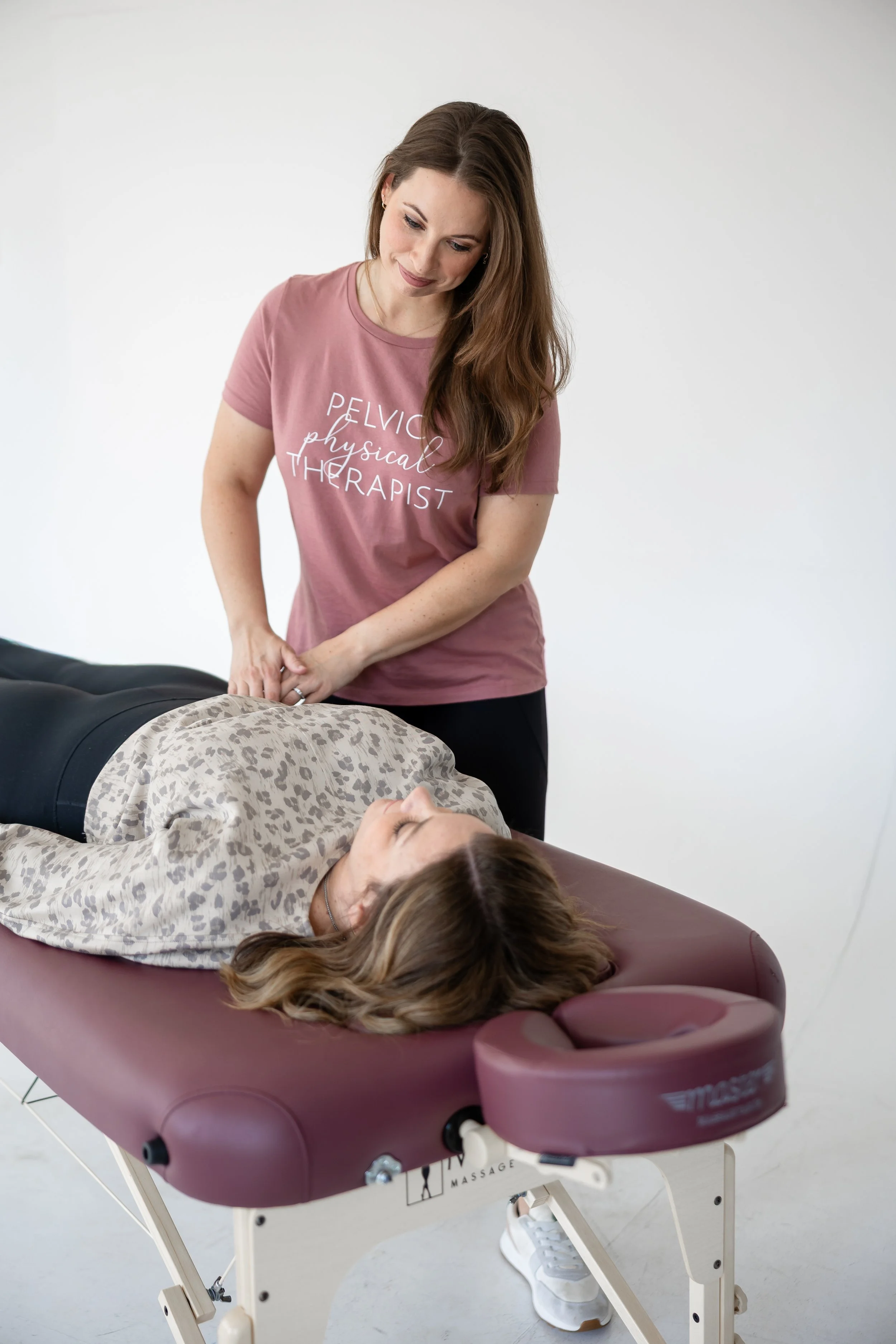
Bladder leaks, constant urgency, and running to the bathroom every hour (or more!) are common complaints, but they are not normal. The great news is that they are also treatable with pelvic health PT. November is Bladder Health Awareness Month, so it's the perfect time to talk about something most of us never learned: what a healthy bladder actually does.
Whether you're pregnant, newly postpartum, years past having babies, or never had kids at all, this guide will help you figure out where your bladder habits land and when it's time to get some help!
What's normal
A healthy bladder is quiet. It fills in the background, gives you a gentle heads up when it's time to go, and waits patiently until you get there. Here's what that looks like day to day:
Daytime trips: about every 2 to 4 hours, or roughly 6 to 8 times a day if you're drinking enough water.
Nighttime trips: 0 to 1 time per night is typical. Once or twice can be normal as we get older (over 65 years old) or during late pregnancy.
The urge: you feel a mild signal, and you can comfortably finish what you're doing, walk to the bathroom, and get settled without a mad dash.
The flow: steady and easy to start, without pushing, straining, or stopping and starting.
Emptying: when you're done, you feel done. No dribbling afterward and no feeling that you need to go again five minutes later.
Color: pale yellow, like lemonade. Dark yellow often means you need more fluids.
Comfort: peeing should never burn, sting, or hurt.
Dryness: no leaks when you cough, sneeze, laugh, jump, lift, or run.
What's common, but not normal
Many of these symptoms are so common that people assume they're just part of life. They aren't. They're signs that your pelvic floor and bladder could use some support.
Leaking with activity: a little leak when you sneeze, laugh, cough, jump on the trampoline, or pick up your toddler. This is called stress incontinence.This comes from pressure on your bladder pushing the urine out during movement and pressure changes.
Leaking on the way to the bathroom: the "key in the door" or "pulling into the driveway" urge that sometimes doesn't wait. This is called urge incontinence. This comes from signals in your brain that connect to your bladder anticipating your next steps and starting a bladder contraction before you're ready.
Going too often: needing to pee more than every 2 hours, or planning your outings around where the bathrooms are. Patients often think that because they drink a lot they may need to pee every 30-60 minutes. Your bladder should accommodate what you drink routinely.
Peeing "just in case": going before you leave the house, before a meeting, before bed, and again. Over time this can train your bladder to signal earlier and earlier and lead to urge incontinence or small bladder size.
Waking up 2 or more times a night to pee (outside of late pregnancy).
Trouble emptying: a weak or slow stream, needing to push or strain, or feeling like you're never quite finished.
Dribbling after you stand up from the toilet. These are the few drops that come out either as you stand or sometimes even after you take a few steps away from the toilet.
Pain or pressure: pain with a full bladder, pain with peeing, or a heavy, dragging, or bulging feeling in the vagina, which can be a sign of pelvic organ prolapse.
Three myths we hear all the time
"It's just what happens after having kids." Pregnancy and birth do put real demands on the pelvic floor, and leaking is common postpartum. Common doesn't mean permanent. Most moms see big improvements with the right rehab, whether they had their baby 6 weeks ago or 20 years ago.
"It's a normal part of getting older." Bladder changes can happen with age and a decline in hormones, but leaking and urgency are not something you have to accept. Pelvic floor PT assesses your breathing, coordination and strength in more than just your pelvic floor. Your core and hip strength are just as important for bladder health as they are your overall health.
"I'll just do Kegels." Kegels help some people, but not everyone and research says kegel strength actually makes up a very small part of why people have bladder leaks. Many women with leaking or pain actually have pelvic floor muscles that are too tight, not too weak, and Kegels can make that worse. A pelvic floor PT can assess the whole picture looking at where you lack strength, coordination, or adequate pressure management.
When to call a pelvic floor PT
If anything in the "common, but not normal" list sounds familiar, that's reason enough to book a visit. You don't need to wait until it's "bad enough." It's especially worth reaching out if:
You leak urine, even a few drops, with coughing, sneezing, exercise, or on the way to the bathroom
Bladder symptoms are keeping you from running, lifting, playing with your kids, or doing the activities you love
You're pregnant and want to prepare your pelvic floor for birth and recovery
You're postpartum, at any stage, and something still doesn't feel right
You feel pressure, heaviness, or bulging in the vagina
You have pelvic pain, pain with sex, or pain with a full bladder
You're planning your day around bathroom access
A pelvic floor PT will talk through your history, look at how your pelvic floor, core, hips, breathing, and posture work together, and build a plan that fits your body and your life. Treatment often includes muscle training, bladder retraining, breathing and pressure management, and simple habit changes.
See your doctor first, or right away, if you notice: blood in your urine, burning with urination, fever, or back or side pain (possible infection), sudden inability to pee, frequent UTIs, or new leaking along with numbness or weakness in your legs.
Simple habits for a happier bladder
Drink enough water. Cutting back on fluids to avoid leaks backfires: concentrated urine irritates the bladder. Sip water steadily through the day and aim for pale yellow.
Go when you need to, not "just in case." Try stretching the time between bathroom trips gradually if you're going very often. We recommend adding 15 minutes at a time until you reach 2 hours on a fully hydrated bladder.
Sit all the way down. Hovering over the toilet keeps your pelvic floor tense and makes it harder to empty fully. Hovering increases the need to push which can also make a prolapse worse if you are routinely hovering.
Don't push or rush. Relax, breathe, and let your bladder do the work. A small footstool can help.
Watch your bladder irritants. Caffeine, alcohol, carbonated drinks, artificial sweeteners, and citrus can increase urgency for some people.
Keep things moving. Constipation puts extra pressure on the bladder, so fiber, fluids, and movement help both.
Exhale with effort. Breathing out as you lift, push, or stand up helps manage pressure on your pelvic floor.
You don't have to just live with it
Your bladder should support your life, not run it. If you've been quietly managing leaks, urgency, or pain, this month is a great reminder that help is available and it works.
At Archer Physical Therapy, we specialize in pelvic floor care for pregnant and postpartum women, with both in-home and in-office appointments. Visit archerphysicaltherapy.com to schedule your evaluation.
This post is for educational purposes and isn't a substitute for individual medical advice.